





























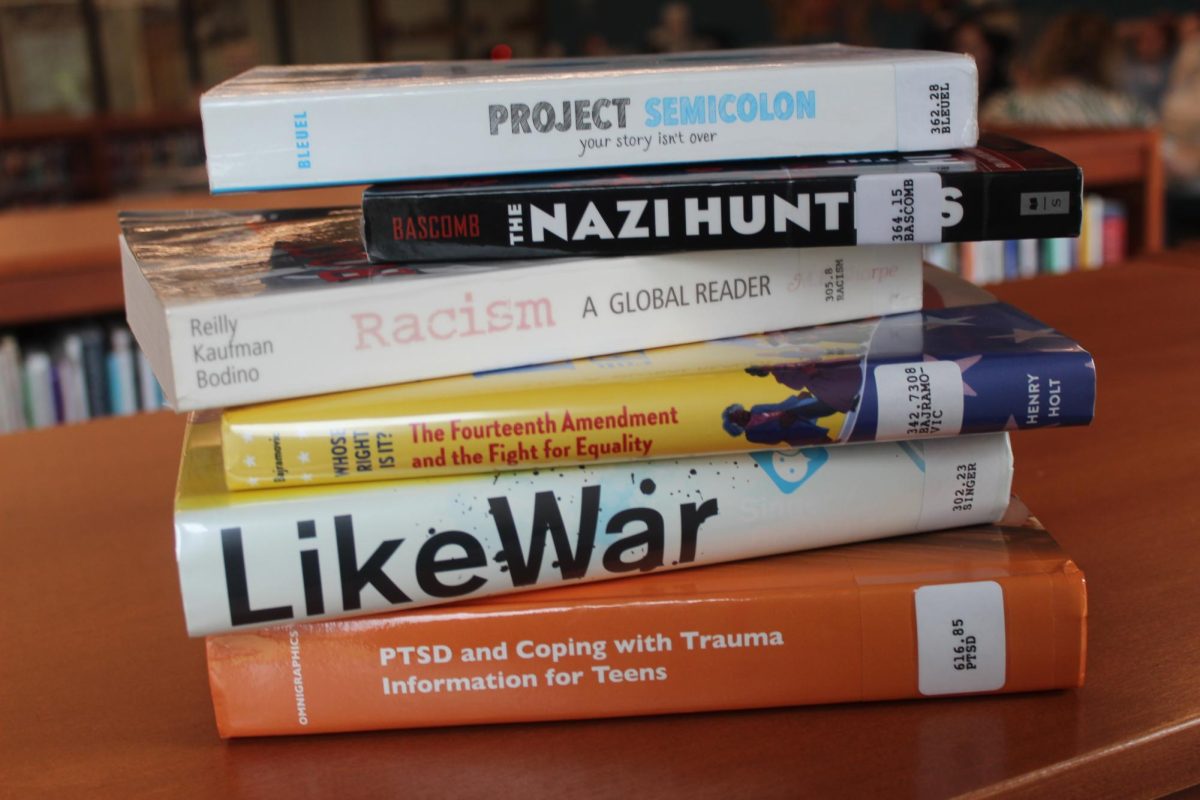
Social media platforms use content moderation to filter through content to make sure it’s safe and suitable for audiences, but in a high school environment it is important that students are exposed to sensitive topics so they can learn and grow from them.
It’s important to discuss and include sensitive topics in the school curriculum so students can develop empathy for those who suffered. It doesn’t serve justice to victims to gloss over what happened to them. This shows them the perspective of those harmed and the horrific events they went through. Education on the topic can help decrease the victim-blaming, because students can better understand what they went through. Education on this topic might also decrease the amount of people who make insensitive jokes. It diminishes the severity of the crime, which should never be done.
But in some school districts, students are denied an in-depth education on controversial issues. According to a 2024 brief from the Indiana University School of Education, “states are actively seeking to prevent or dissuade schools and students from engaging in critical thought… encouraging or requiring them to steer clear of content that might be sensitive or controversial.” The feelings of students need to be taken into consideration when teaching sensitive or controversial issues but for certain districts, this goes too far. This is likely done because it can traumatize the students and also put the teachers at risk of getting in trouble. When this fear prevents the best education, they should work around the limitations to still teach these events.
At Blackstone Valley Prep Junior High School, there’s a point in the year when students learn about the slave trade. We were shown a movie about it and it was graphic to show the extent of what happened. Our teacher spoke to us before watching it to let us know we could leave at any time but that this is also not a laughing matter and there shouldn’t be any jokes. For a class that was typically all jokes and unserious, when we watched the movie, there wasn’t a single smile or smirk.
In the 10th grade at Lincoln, some students watch The Auschwitz Report about the Holocaust to go with the book Night by Elie Wiesel. The movie portrays what it was like in the camps for those trapped there. Sophomore Eva Maher said it was a good representation and an eye-opening, extremely emotional movie. She said that when her class watched it, most of the class found it upsetting. Many were engaged and focused while others were zoning out or simply uninterested. Obviously, not everyone is going to be engaged all the time, but for the students who do care and pay attention, they can begin to understand the events that happened better.
Moments like this are important for showing how impactful empathy really is. Teaching students about horrific events is important. It also helps students better understand what happened, which can make them better people.