













Editor’s note: This piece was originally written for the 2026 Rhode Island Free Spirit Scholar contest.
A colorful list of questions. A smile from an interviewee. An editor’s notes on a first draft. These moments make up my life as a student journalist, and even on the busiest days, I enjoy them. I treasure my role because journalists develop community and create social change.
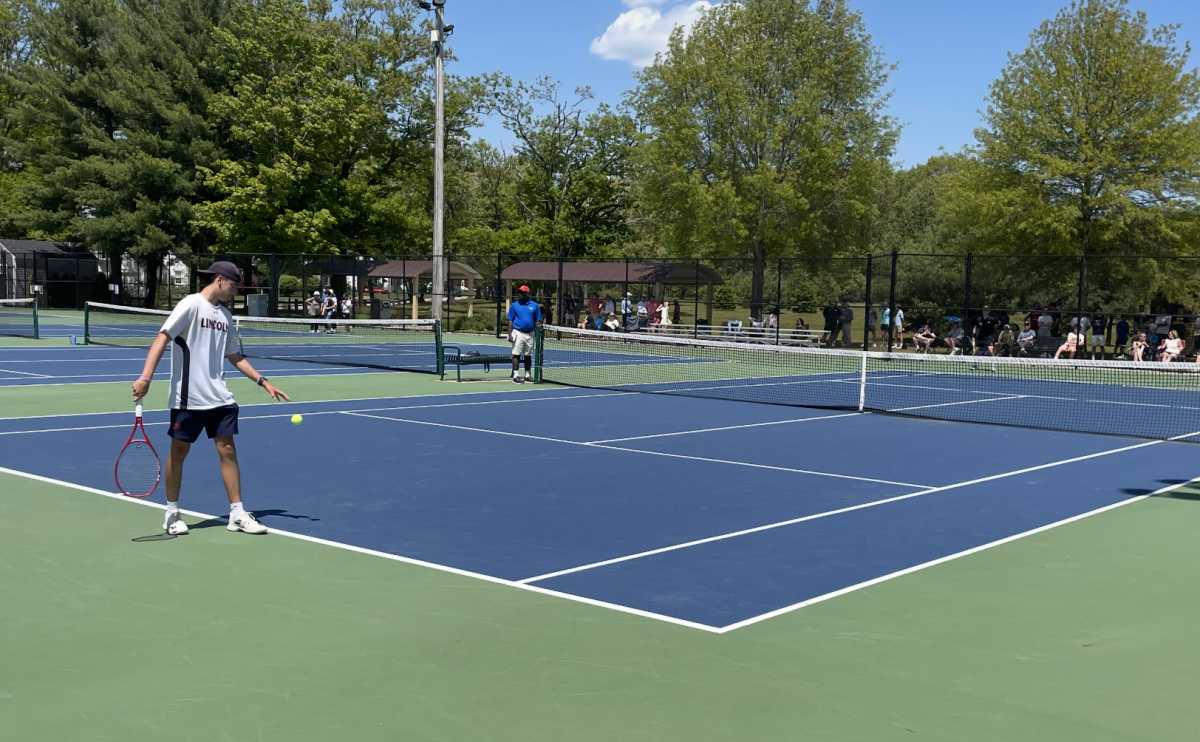
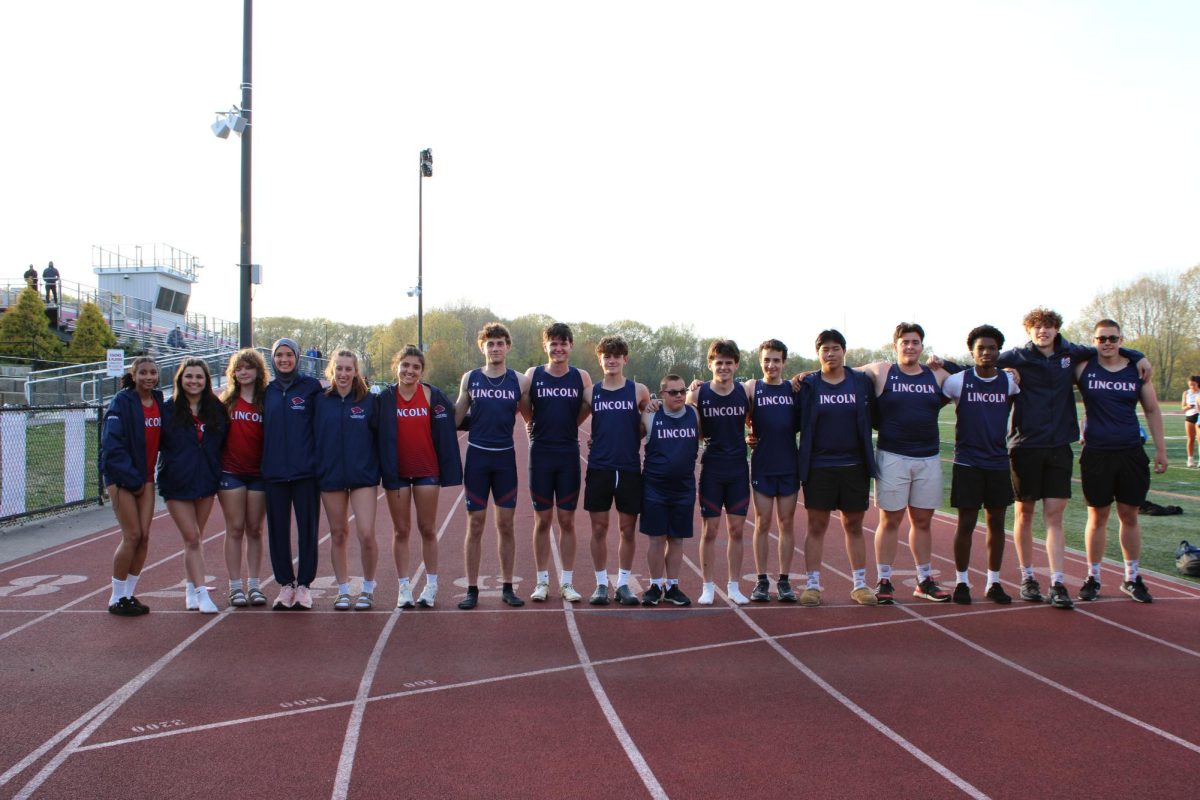
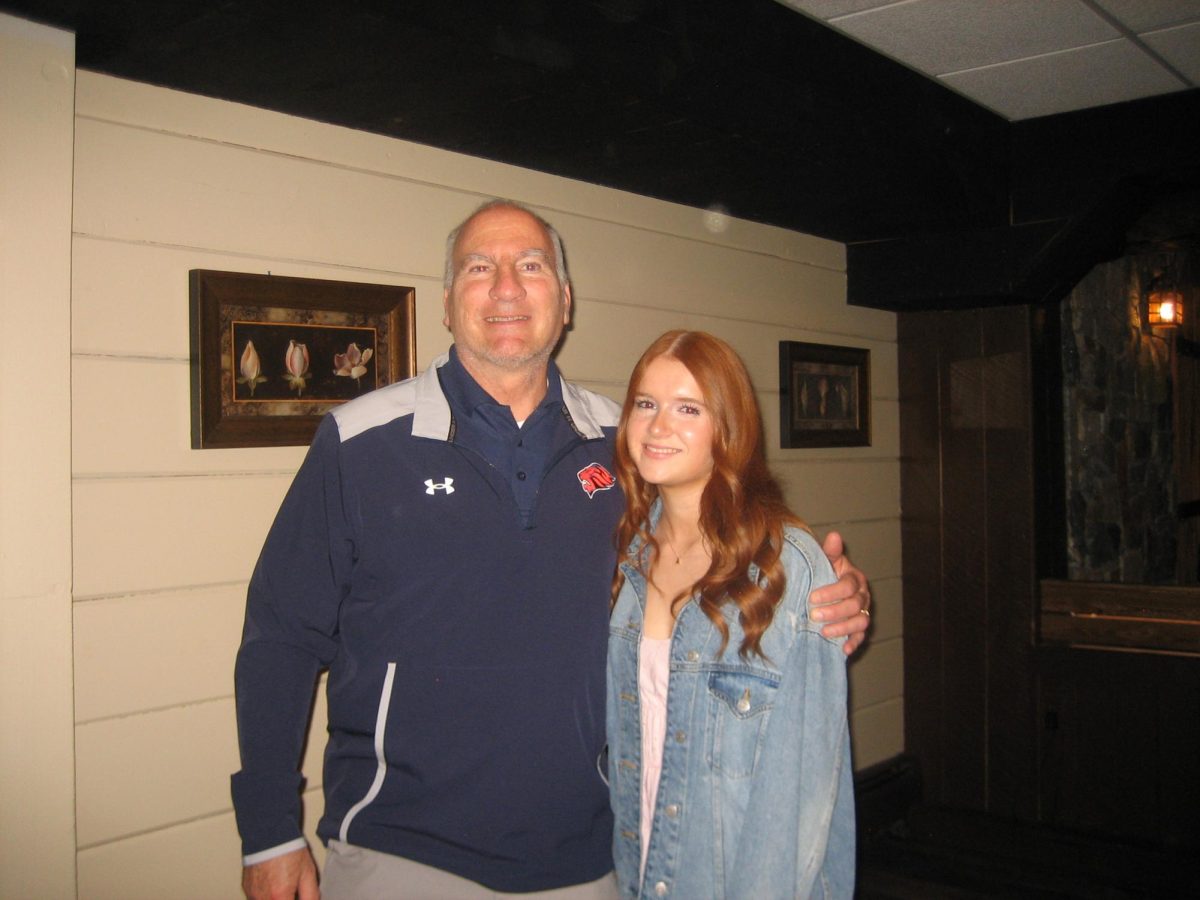
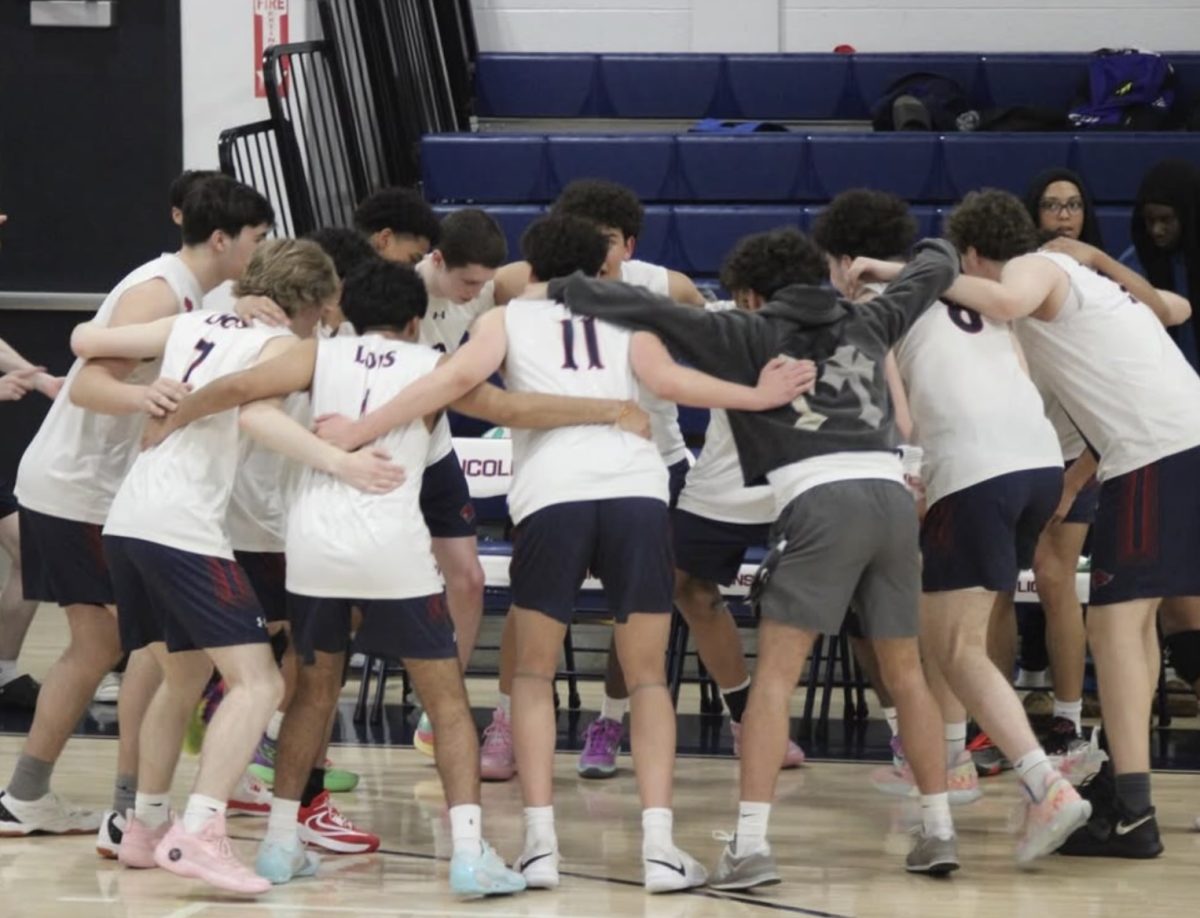
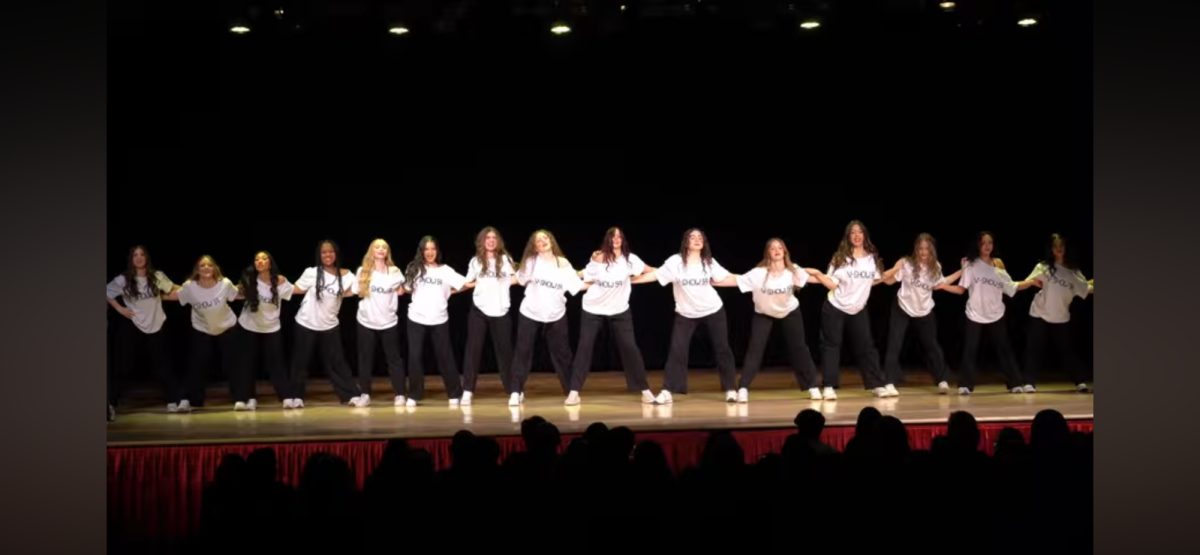
I love how local journalism can bring people together. As an extroverted humanities nerd, this starts with my love of learning people’s stories. In my nearly three years as a student journalist, I have spoken to student artists, athletes, and advocates; a teacher welcoming a new baby; a local director celebrating his win at the Russo Brothers Italian Film Forum; and a school committee member who has served Lincoln for 20 years. Through journalism, I connect with more people in my high school, town, and statewide communities than I ever could have otherwise. I am beyond lucky to have that opportunity, and I am even luckier to be able to share these stories with others. By writing about local experiences and accomplishments, I help people gain recognition and celebration, and therefore those people become more involved in this community as well. As a journalist, I can do what I love while strengthening my own and others’ sense of community, a vital part of a fulfilling life.
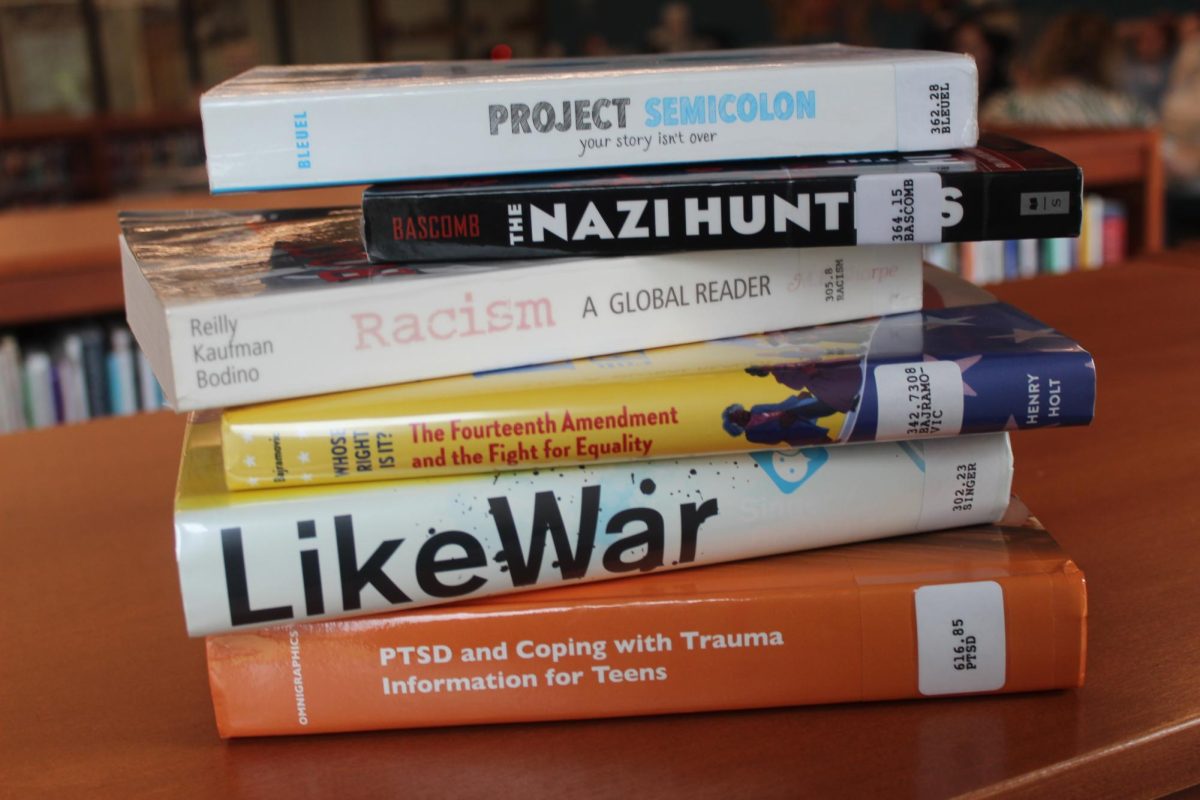
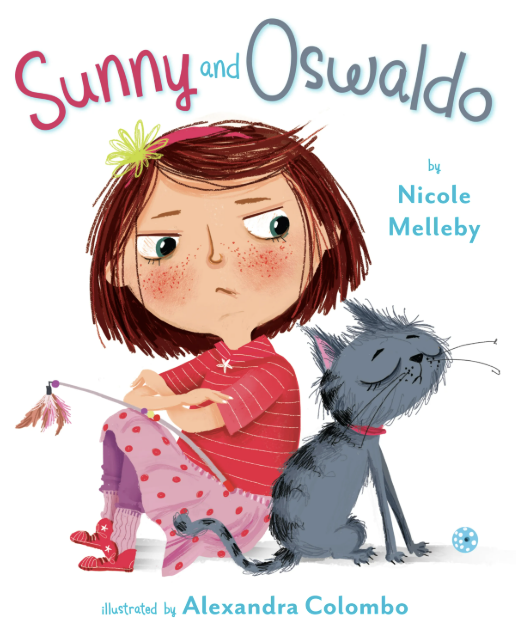
On a larger scale, I love how journalism can and has led to significant social change. Journalists have the power to represent marginalized people and share knowledge that keeps them safe. This is especially important to me as a queer woman with an invisible disability. Historical and modern journalists alike break stories that expose abuse and lead to social change, such as Nellie Bly’s 1887 articles about brutal conditions in mental hospitals leading to mental healthcare reforms and Jodi Kantor and Meghan Twohey’s 2017 articles exposing Harvey Weinstein’s serial sexual assault, which contributed to the #MeToo movement. While my journalism happens on a smaller scale, I try to increase representation and promote positive change as much as possible. I do this by reviewing diverse books, covering my town’s food drive for SNAP beneficiaries during the government shutdown, and, in my favorite article I have ever written, exploring the history and controversy over Columbus Day/Indigenous Peoples Day. I interviewed two different teachers at my school, an Italian American who takes pride in saying Columbus Day, and a history teacher who opts for Indigenous Peoples Day. Before the article was even published, my own mind was opened in the interview and research process. Journalism is essential to social change.
Whether uplifting or educating, journalism is a truth-telling tool that brings any community together through positives and negatives. I cannot wait to learn more about using journalism to better the world while surrounded by people who love the craft as much as I do at the Al Neuharth Free Spirit and Journalism Conference.