




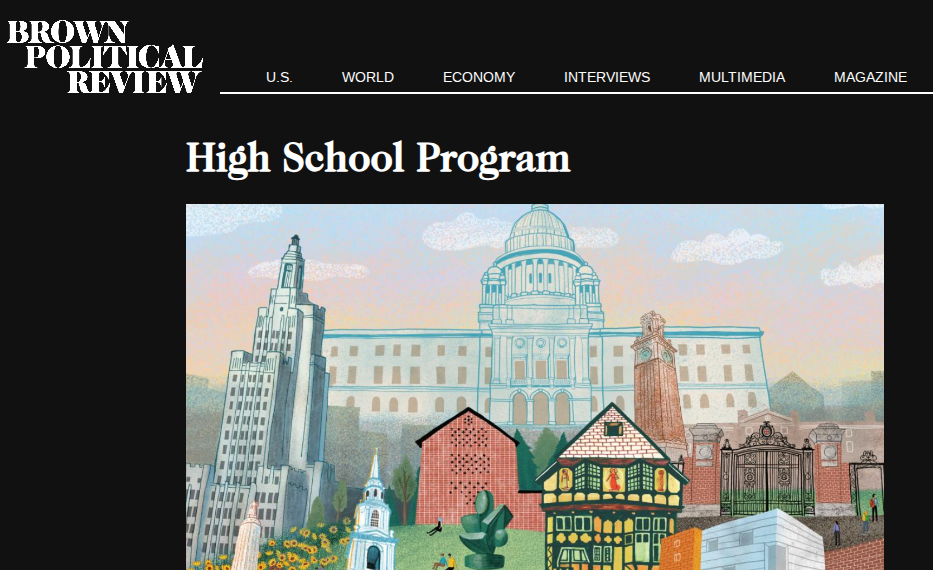
Soon there will be some familiar names on the Brown Political Review (BPR) website after three Lincoln High School students took part in a Brown University program for high school students.
BPR is a magazine open to any Brown and Rhode Island School of Design students who want to write about their own political views and research. Every story for the magazine is entirely produced by students at Brown. The organization describes itself as an “entirely student-written and student-run, nonpartisan magazine for political journalism… which aims to bring high-quality reporting on regional, national, and international politics to Brown, the Providence community, and beyond.”
In the fall of 2023, the magazine created a program for high schoolers interested in world events and journalism to write their own stories.
This program offers the opportunity for students to get involved in real-world issues. It is also virtual and completely free of charge, making it accessible to any aspiring journalist.
“We encourage any students who are interested in politics to apply, even if you feel you don’t have lots of formal experience with publication writing,” senior editor Ava Rahman said.
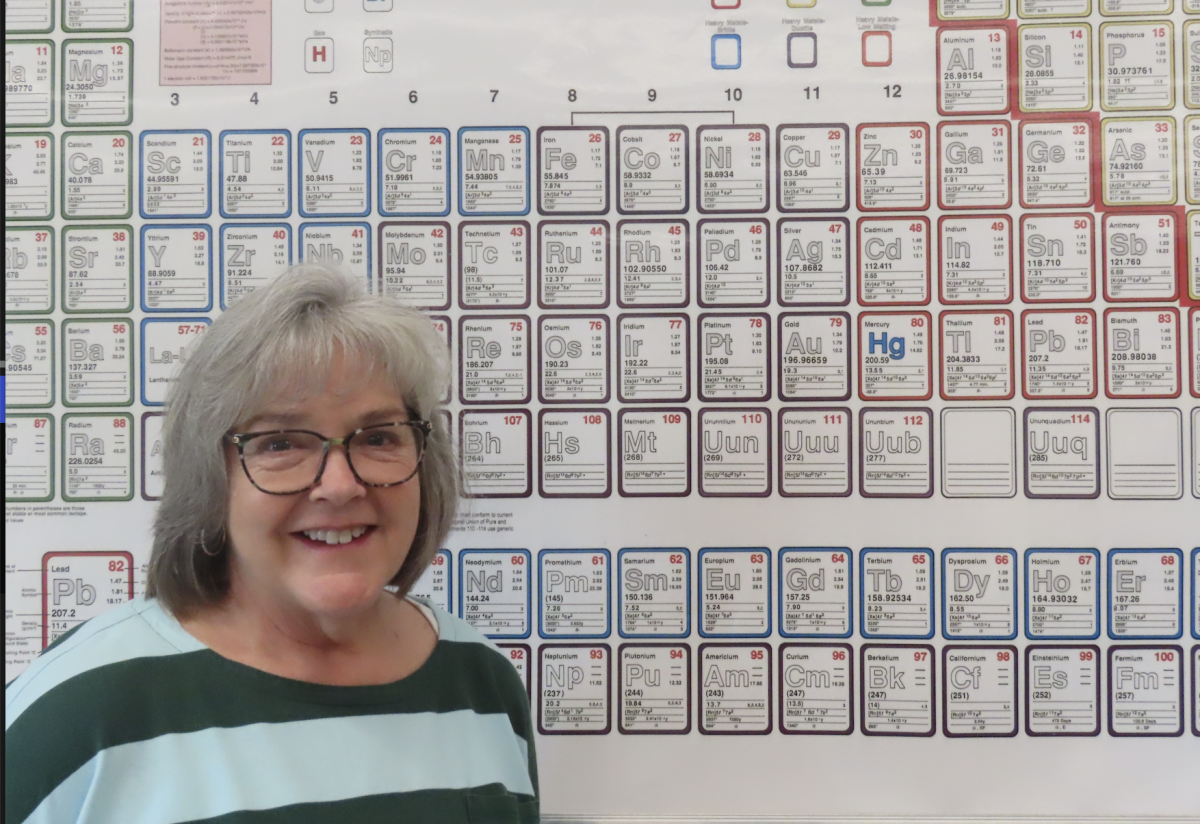
The program reached out to local high school teachers, including English teacher and journalism advisor Matt Pavao, about possible applicants, and Pavao passed this along to his newspaper staff. Junior Eliza Madison Gobin and sophomores Juliette Amaya and Sophia Yakut all applied and were accepted into the program.
“I liked how the whole thing was opinion,” Juliette said, “so I felt like it would be a really cool experience. Also, for college resumes.”
She chose the topic of human trafficking in scam centers in Myanmar after being inspired by her father’s discussion of podcasts.
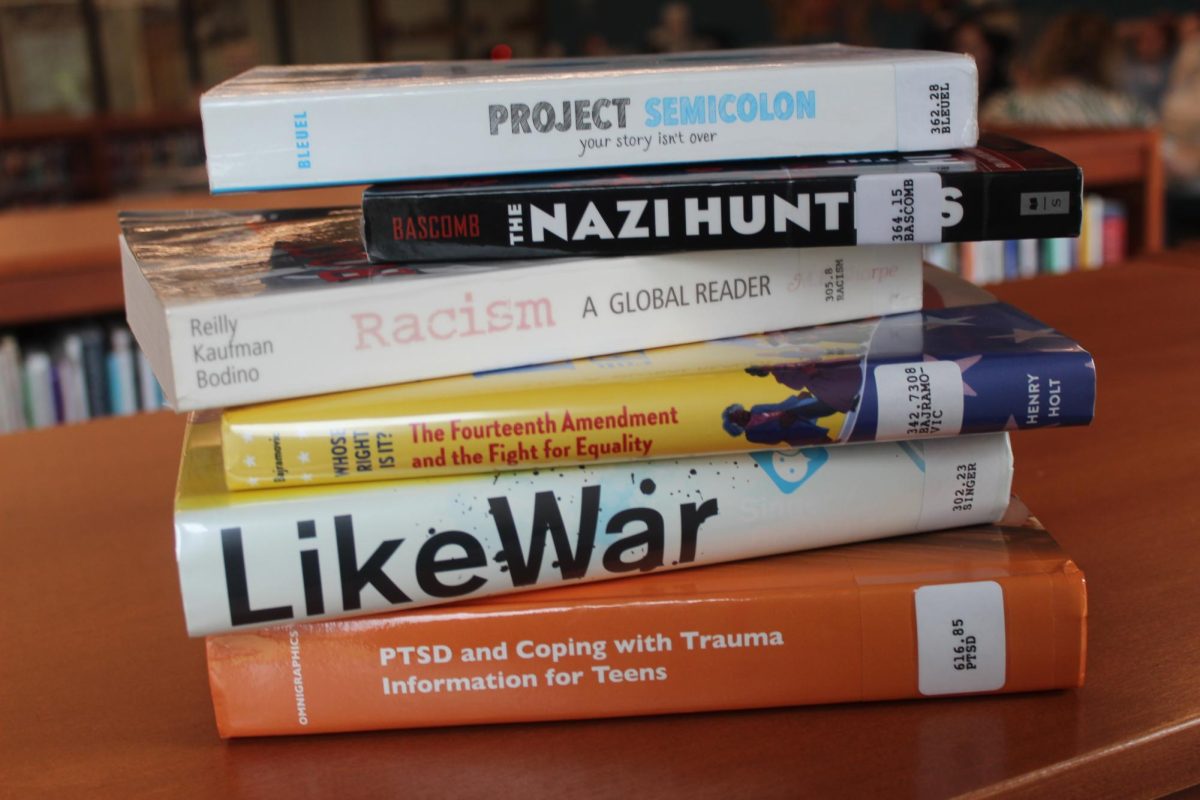
Eliza found her passion in book bans and writing about how to combat them with historical evidence.
Sofia decided to report on the presence of ICE agents in Rhode Island.
“There’s been a lot of brutality towards people,” Sofia said, “So I thought that would be a good topic to talk about.”
Over the course of three months, students worked closely with a BPR editor to research and develop an article. Every couple of weeks there was a virtual meeting for all writers and editors. They met together and then broke into separate rooms for additional questions and discussion. Throughout, students learned from BPR editors who are familiar with the research and revision process.
“He had left so many helpful edits on all of my drafts,” Eliza said when asked about her editor, “and I’ve learned so much from him about writing in an intentionally opinionated way.”
The close connection between writer and editor prepares students for the workplace and what to expect when receiving critiques on their article.
It is not yet known when the students’ articles will be published, but they will be available to read on the BPR main website.