



































The recently proposed Clean Slate legislation has been introduced to Rhode Island. If the campaign is successful, criminal records for up to 77,000 Rhode Island citizens could be sealed.
The Clean Slate Rhode Island campaign, led by OpenDoors and Direct Action for Rights and Equality, advocates for the automated sealing of criminal records for individuals who have served time for non-violent crimes. This is meant to give them a chance to apply for housing, a job, or other opportunities without being denied because of their record. While criminal records can already be expunged, many criticize the process as being time-consuming, and rarely successful. The legislation aims to automate the record-sealing process in order to simplify it for people. This effort is supported by The Clean Slate Initiative, a national nonprofit working to pass and implement Clean Slate laws across the country, as well as the Rhode Island AFL-CIO, the Rhode State Council of Churches, RICARES, Weber/Renew, Rhode Island Homelessness Advocacy Project, the Barrington Interfaith Partners, and Black Lives Matter RI.
This can be important for younger citizens and teens entering adulthood, as they are at the age where they need to start thinking about their future. If an RI citizen is convicted of a non-violent crime, future opportunities should be more achievable after their time is served.
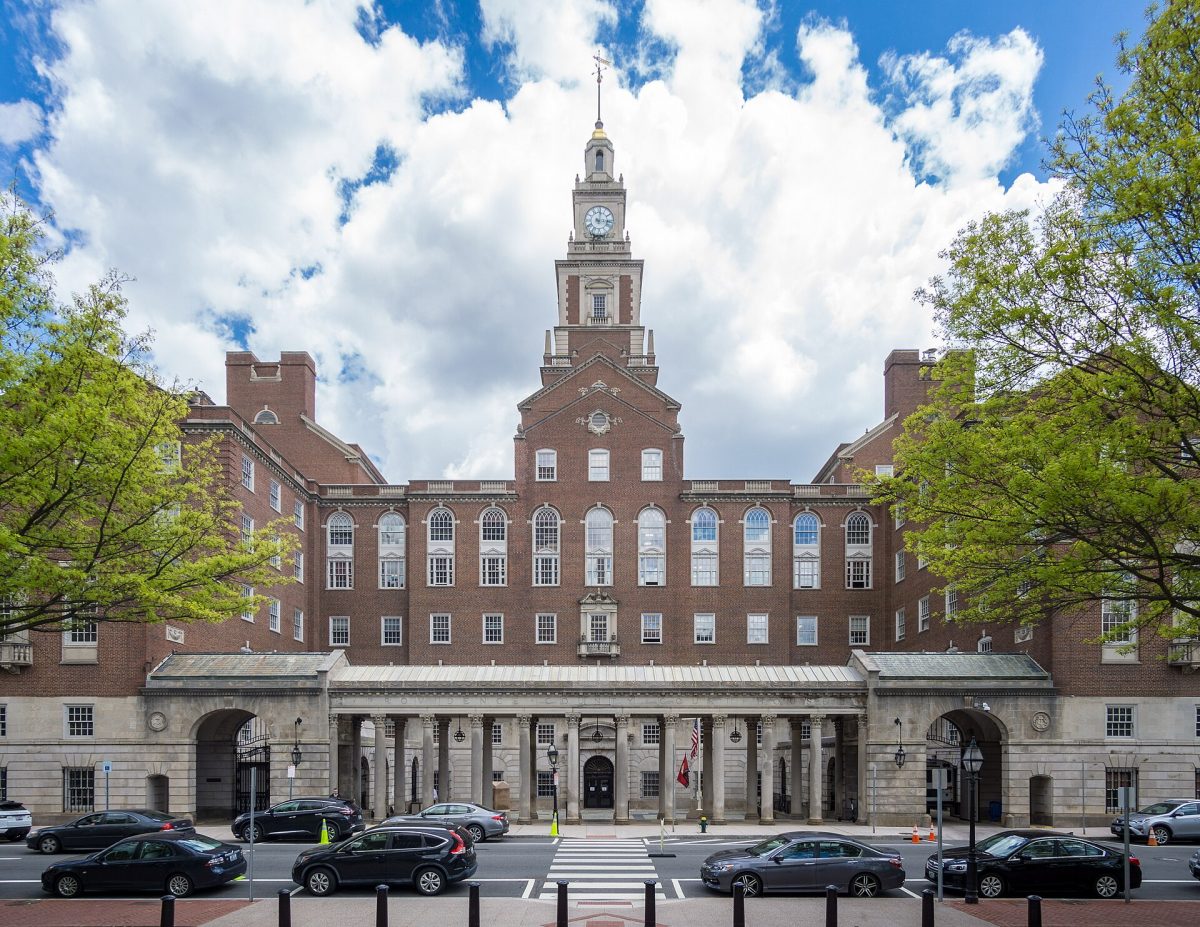
Ten state representatives supported the campaign’s launch on March 5 through sponsored bills at the Rhode Island State House. If the act is passed into law, Rhode Island will be the fourteenth state to pass it. The bill has also found success in Washington D.C.
The bill is not without criticism, as some hold concerns about the bill’s ability to skip the judicial review process. Several House members feel that an automated review process ignores the nuances of certain cases, while others worry about how the automated process will be managed. However, endorsers of the bill argue otherwise.
“We’re not trying to circumvent any rules that are already in place,” state rep. Julie Casimiro stated in an interview with the Brown Daily Herald. Casimiro, the bill’s most prominent sponsor, explained that the bill won’t expand expungement requirements, but rather make the expungement process easier for individuals.
Other critics question how the initiative tackles larger, systemic work issues. In an article by Jennifer Doleac and Sarah Lageson for nonpartisan think tank Niskanen Center, the writers focused on discrimination in workplaces, and how the initiative may not be effective in improving employment for those who have their records expunged.
“Employers who want to avoid hiring people with a criminal past may then discriminate against applicants from groups where criminal records are more common,” the article claims. This is a notable concern for people, as it is a flaw in the legislation’s plan.
The Clean Slate Rhode Island campaign has acknowledged this, and states that the law’s impact will have to be seen as it progresses.
As of May 2026, the law has not been passed in Rhode Island but is currently being held for further study.
Correction May 15, 2026: An earlier version of this article incorrectly identified The Clean Slate Initiative as leading Rhode Island’s Clean Slate campaign. The article has been updated to clarify that the campaign is led by OpenDoors and Direct Action for Rights and Equality, with support from The Clean Slate Initiative and other organizations.