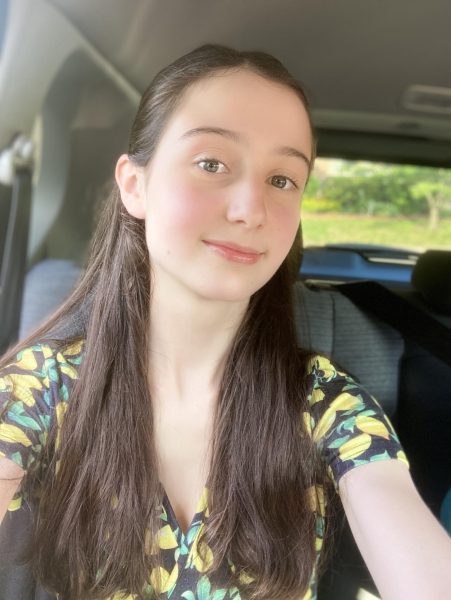
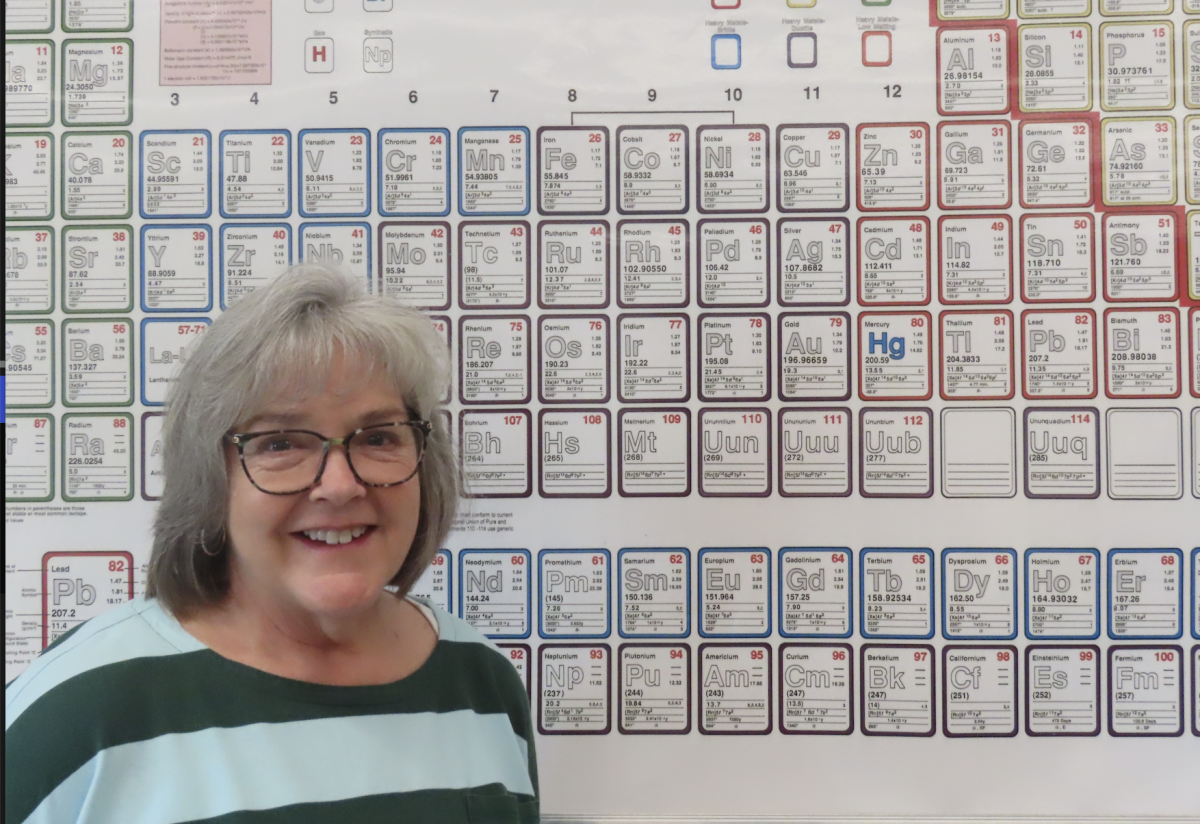











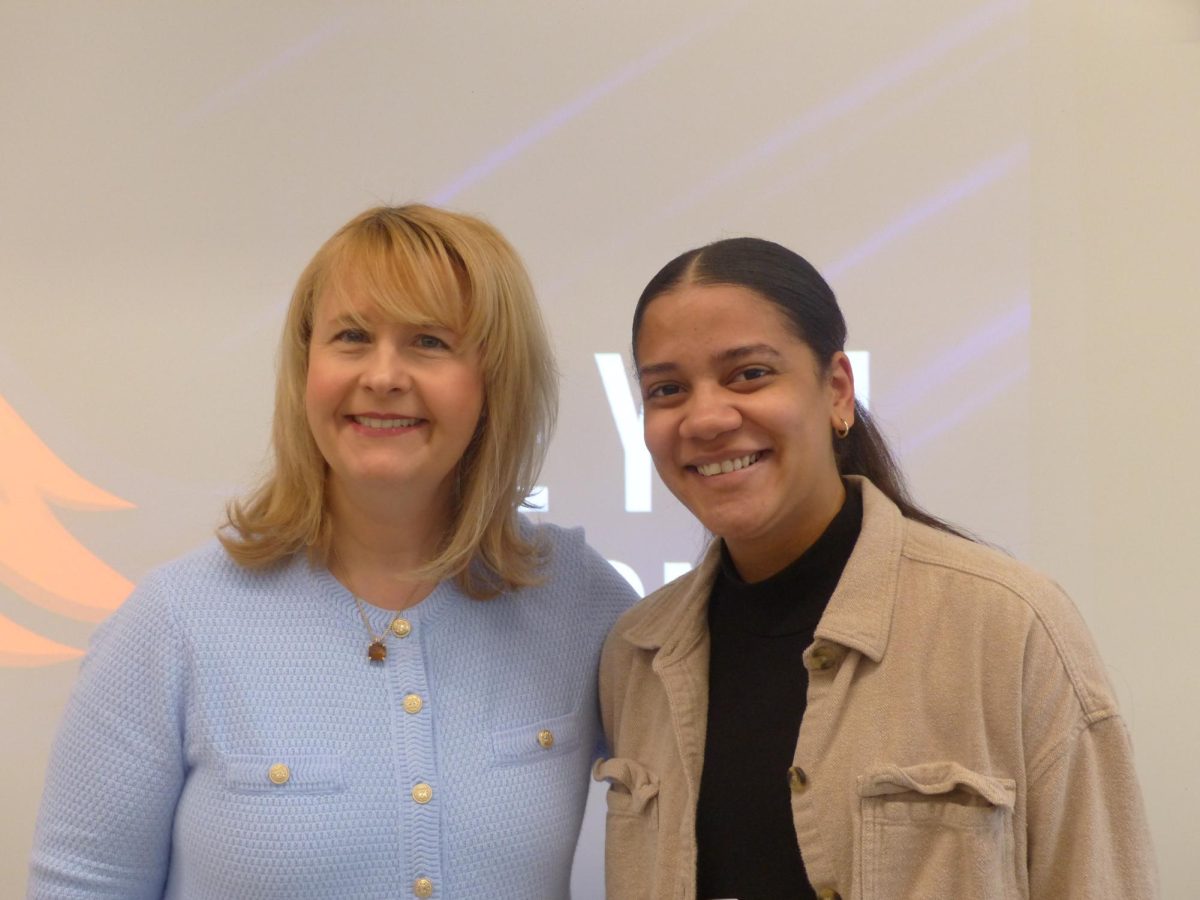
Lincoln High School is a great place for people at all levels and ages to learn. If you see an unfamiliar face around LHS this year, it may be a student teacher: Melanny Garcia, under Spanish teacher Christina James-Lolos; Alyssa Goldstein, under librarian Patricia Vivari; Michael Mollicone, under 2D art and graphic design teacher Susan Kolenda; and Willow Teller, under ceramics teacher Heather Binder.
After an introductory period in which student teachers observe the cooperating educator in their classroom for a varying amount of time, the student teacher spends several months gaining more and more responsibilities until they are running about three classes all but independently. Depending on the subject matter, the student teacher will also work for a time in an elementary or middle school, since arts teachers, for example, are certified to teach grades K-12.
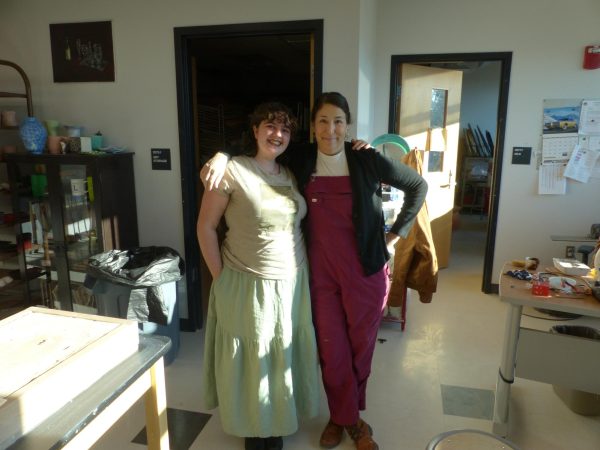
Student teaching is an integral part of the process to becoming a teacher. They learn all manner of practical skills from working in their cooperating educator’s classroom that they would never encounter in their own college classes. This ranges from grading assignments, running a classroom, learning school-wide procedures, modifying assignments based on class level, establishing authority with students while making connections, and remembering all their names.
“The biggest challenge with this, and really any education, is to take the coursework and apply it in real life,” Goldstein of University of Rhode Island said. “Sometimes a plan looks great on paper, but lesson planning is really easy when there are no students or surprises. You have to be flexible and responsive to the needs students are presenting at that moment.”
Of course, student teachers learn a lot about the subject matter from someone who has been teaching it longer as well.
“As a native speaker,” said Garcia, of Providence College, “you don’t learn a lot of things, like when to use ser vs estar, because that’s just how you talk. You don’t compare it to English because you’re a native speaker. You don’t know the reason why. You just know you use it. It’s helpful seeing what I need to know the reason behind to then teach you.”
Similarly, student teachers are learning lots in the art department.
“It’s been really interesting to see all the ways that this program differs from the ceramics program that I had when I was in high school,” said Teller, of Rhode Island School of Design. “A lot of different projects are being done. Slightly different techniques are being taught.”
Goldstein has learned the unique role of a high school library as well.
“The Lincoln High School library is at the heart of so many daily events and interactions,” she said. “You need to be ready to host a displaced class, help guests project their presentations, assist students with tech issues, reschedule a class visit, and shelve books whenever you can. There are a lot of moving parts, but that’s what makes it so exciting and rewarding.
Working as a cooperating educator for a student teacher is a great opportunity for teachers to give back.
“I really love the idea of passing on knowledge,” Binder said. “It’s such a major part of the ceramics community to pass on information and knowledge that [being a cooperating educator] was a no-brainer.”
Similarly, Lolos chose to be a cooperating educator because she wanted to “pay it forward” after her own beneficial experience as a student teacher.
Welcoming a student teacher to the classroom is a practical choice as well. Student teachers help with grading, lesson plans, and eventually teaching, which benefits both the cooperating educator, who has less work to do, and the student teacher, who learns skills they will need in their career. A great student teacher helps to decrease the overall workload of the cooperating educator, who can then use that time to observe, evaluate, or focus on other classes.
Most importantly, student teachers bring a fresh perspective to the classroom.
In the art department, Binder is learning from Teller about the chemistry of mixing glazes in the ceramics studio. Mollicone, of Rhode Island College, who has experience sculpting with mixed media, proposed an art project involving cardboard that Kolenda had never taught before.
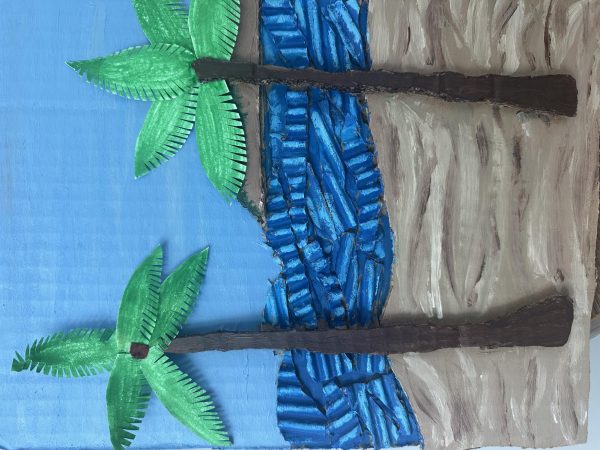
“I love that there’s a different perspective,” said Kolenda. “Having another artist teacher in your classroom opens up the world for your students too, because they get to see a different side and learn from a different person also. The ideas can be different, and that’s the great thing about what we do and what we teach. I might have one strength, [Binder] has a different strength, whoever’s coming into my room has a different strength. I find that I learn from student teachers also.”
In Lolos’s classroom, Garcia shares knowledge of her Dominican culture, allowing Hispanic students to connect to the class material more. Lolos and non-Hispanic students also learn about Dominican culture and native Spanish speakers from Garcia.
“I’m so happy there’s another Dominican in the room,” said one student.
The library has also gotten a few upgrades.
“I’ve been doing [this] for so long that it’s like breathing,” Vivari said of her work in the library. “Having a fresh set of eyes looking at what I do and asking questions makes me reflect on what I do.”
Thanks to the reflections inspired by working with Goldstein, Vivari rearranged the resource guide for students doing research projects. This is especially beneficial because of her upcoming retirement at the end of the 2025-26 school year.
“I’m leaving next year,” said Vivari. “Having someone who’s entering the profession here gives me some guidance on what I should leave for someone to be able to jump into this job next year.”
Lincoln High School truly is a close-knit community ready to help anyone further their education.
“I met so many great, bright students over at Lincoln,” Goldstein said. “I heard such articulate insights in book club, saw “aha!” moments during research lessons, and had the privilege of judging impressive Exhibition presentations. Being part of this community has been so meaningful, and it was more confirmation for me that I’m in the right line of work.”